
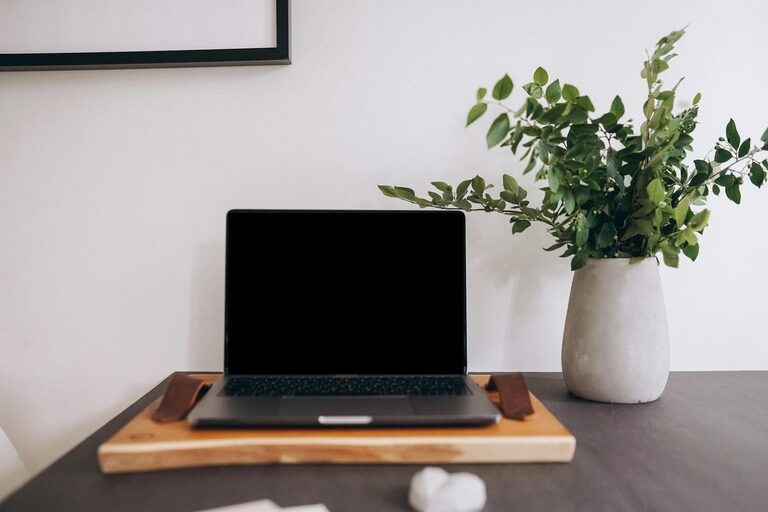
Creating a productive home office space is essential for anyone working remotely or managing tasks from home. A well-organized and inspiring workspace can enhance your focus, reduce distractions, and make your workday more enjoyable. Whether you have a dedicated room or just a small corner, these tips will help you design an efficient home office tailored to your needs.
1. Choose the Right Location
The first step is selecting where to set up your home office. Ideally, pick a quiet area separate from high-traffic zones like the kitchen or living room. Natural light is a great bonus—it can improve mood and energy levels. If a separate room isn’t available, a corner with minimal distractions works well.
Consider these factors when choosing your spot:
– Distance from noise sources (TV, household chatter)
– Proximity to power outlets and internet connection
– Accessibility to necessities (printer, storage)
2. Invest in Ergonomic Furniture
Comfort matters a lot during long work hours. Ergonomic furniture supports your posture and helps prevent discomfort or pain.
Key furniture to consider:
– Desk: Choose one with enough space for your computer, documents, and any other tools you use. Adjustable desks with sitting and standing options add flexibility.
– Chair: Opt for an ergonomic chair with adjustable height, lumbar support, and comfortable padding to maintain good posture.
– Monitor stand or adjustable arms: Position your monitor at eye level to prevent neck strain.
Remember, your body’s comfort directly impacts your productivity and focus.
3. Organize and Declutter Your Workspace
A cluttered desk can lead to a cluttered mind. Keep your workspace tidy to minimize distractions and enhance efficiency.
Tips for organization:
– Use organizers such as trays, file holders, or drawer dividers to keep small items sorted.
– Store rarely used items out of view but within reach.
– Dedicate a spot for essentials like pens, notebooks, and chargers.
– Regularly declutter to maintain a clean environment.
Clear surfaces help you focus better and prepare you for a productive day.
4. Control Lighting
Good lighting reduces eye strain and boosts alertness. Aim for a mix of natural and artificial lighting.
– Position your desk near a window to maximize daylight.
– Use adjustable desk lamps with warm or neutral light for task lighting.
– Avoid placing your screen directly in front of or behind bright light sources to reduce glare.
– Consider soft ambient lighting to reduce harsh shadows.
Proper lighting is a simple but powerful factor in creating a comfortable workspace.
5. Personalize Your Space
Adding personal touches can make your home office more inviting and enjoyable.
– Decorate with artwork, plants, or photos that inspire and motivate you.
– Choose calming colors or your favorite hues to decorate the walls or accessories.
– Incorporate elements that reflect your personality to make the space uniquely yours.
A welcoming space can improve mood and creativity without distracting you from work.
6. Use Technology Wisely
Technology is essential for productivity but can also become a source of distraction.
– Invest in reliable internet and hardware like a good-quality headset, keyboard, and mouse.
– Use productivity tools and apps to organize tasks, set timers, and reduce interruptions.
– Keep your workspace free from unnecessary gadgets or notifications that pull focus.
– Backup data regularly to avoid lost work.
Proper technology setup streamlines your workflow and helps you stay connected.
7. Establish Boundaries and Routine
Creating a productive home office is also about your habits and routines.
– Set clear work hours to separate work time from personal life.
– Inform family members or housemates of your schedule and office boundaries.
– Take regular breaks to stretch and move around.
– Keep work materials separate from non-work areas to maintain mental separation.
A structured routine fosters discipline and balances work-life interactions.
8. Improve Air Quality and Comfort
A comfortable environment supports prolonged focus.
– Open windows regularly for fresh air or use air purifiers if needed.
– Maintain a comfortable room temperature with fans, heaters, or air conditioning.
– Add plants to improve air quality and add natural beauty.
Fresh air and a pleasant atmosphere reduce fatigue and increase your alertness.
Summary
Creating a productive home office space involves careful planning of location, furniture, lighting, organization, and personal touches. By focusing on comfort, minimizing distractions, and establishing routines, you can build an environment that supports your best work every day. Remember, your home office should be a space where productivity and comfort go hand in hand for long-term success.