
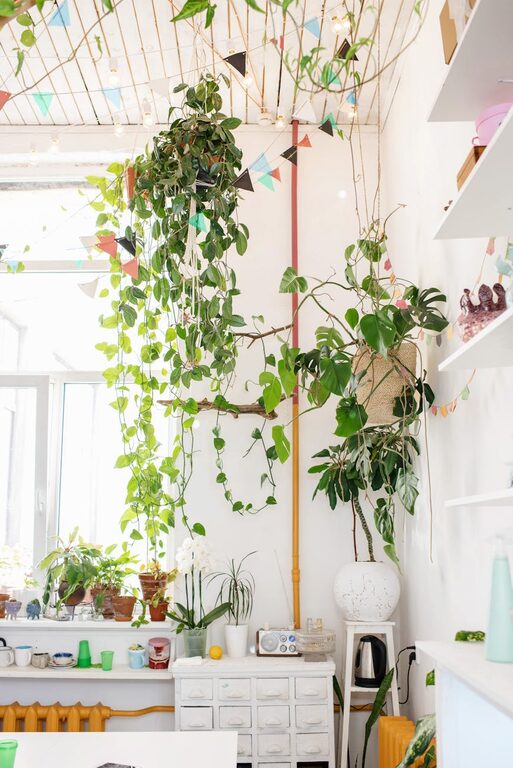
Creating an eco-friendly home is a meaningful way to reduce your environmental footprint while also saving money and enhancing your living space. By making thoughtful choices throughout your home—from energy use to water conservation—you can contribute positively to the planet’s wellbeing. In this post, we’ll explore practical tips to help you create an environmentally friendly home that benefits both you and the Earth.
Why Choose an Eco-Friendly Home?
Living in an eco-friendly home means minimizing the impact your lifestyle has on natural resources. This helps preserve ecosystems, reduce waste, and lower greenhouse gas emissions. Besides environmental benefits, an eco-friendly home often means lower utility bills, healthier indoor air quality, and a comfortable aesthetic.
Energy Efficiency: The First Step
One of the biggest contributors to your home’s environmental footprint is energy use. Here are some ways to reduce it:
Use Energy-Efficient Appliances
– Choose appliances with the ENERGY STAR label.
– Replace old bulbs with LED lighting, which uses less power and lasts longer.
– Unplug devices you’re not using to avoid phantom energy drain.
Improve Insulation and Windows
– Proper insulation keeps your home warm in winter and cool in summer, reducing heating and cooling needs.
– Double or triple-glazed windows provide better temperature control and noise reduction.
Consider Renewable Energy Options
– Solar panels are increasingly affordable and can significantly reduce reliance on fossil fuels.
– Look into community solar programs if installing panels isn’t an option for your home.
Water Conservation Tips
Water is a precious resource, and saving it at home can make a big difference.
– Install low-flow showerheads and faucets to reduce water use.
– Use dual-flush or low-flow toilets.
– Fix leaks promptly to prevent water waste.
– Collect rainwater for outdoor watering needs.
Choosing Sustainable Materials and Furnishings
The materials you use in your home influence your environmental impact.
Opt for Eco-Friendly Building Materials
– Use reclaimed wood or bamboo flooring, which are renewable and durable.
– Avoid products with harmful chemicals, such as certain paints and finishes.
Pick Sustainable Furniture
– Buy secondhand furniture or choose pieces made from recycled or sustainably sourced materials.
– Consider durability to avoid frequent replacement.
Waste Reduction and Recycling
Minimizing waste is key to an eco-friendly household.
– Set up clearly labeled recycling bins for plastics, paper, glass, and metals.
– Compost kitchen scraps to reduce food waste and enrich your garden soil.
– Avoid single-use plastics by opting for reusable bags, containers, and water bottles.
Smart Home Technology for Sustainability
Technology can help you manage energy and water use efficiently.
– Install smart thermostats to optimize heating and cooling schedules.
– Use timers or motion sensors for lighting to prevent energy waste.
– Monitor water usage with smart meters to detect leaks early.
Creating a Green Outdoor Space
Your home’s exterior can also support sustainability.
– Plant native trees and shrubs to encourage local biodiversity.
– Use drought-resistant plants to save water.
– Create a vegetable garden to grow your own food with fewer resources.
Maintaining an Eco-Friendly Mindset
Building an eco-friendly home is a journey rather than a one-time project. Keep learning about sustainable options and involve your household members in eco-conscious practices.
– Reduce, reuse, recycle in daily activities.
– Support eco-friendly brands and local products.
– Educate visitors and friends about your home’s green features.
Conclusion
Transforming your home into an eco-friendly haven can be simpler than you think. By making small, consistent changes—from energy conservation to mindful purchases—you contribute to a healthier planet and a better quality of life. Start with one or two tips that fit your lifestyle, and watch how your eco-friendly home grows over time. Every step helps in reducing your environmental footprint for a sustainable future.