
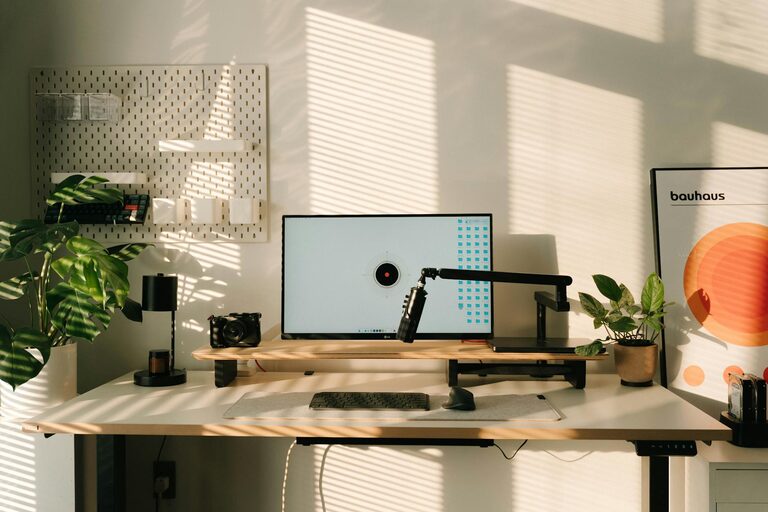
Creating a relaxing home workspace is essential for maintaining productivity and comfort during work hours. Whether you’re working from home full-time or occasionally, the environment around you can significantly impact how well you focus and how comfortable you feel throughout the day. In this post, we’ll explore practical tips to help you design a calming and efficient workspace that supports your work and well-being.
Why a Relaxing Workspace Matters
A cluttered or uncomfortable workspace can cause distractions, reduce motivation, and increase stress. On the other hand, a well-designed area helps maintain concentration, encourages a positive mindset, and allows you to work more efficiently. When your home workspace feels inviting and organized, it becomes a place where you want to spend time rather than avoid.
Choosing the Right Location
Find a Quiet Corner
Select a spot in your home that has minimal noise and foot traffic. A quiet corner helps reduce interruptions and makes it easier to focus. If space is limited, consider using room dividers or noise-canceling headphones to create your own bubble of calm.
Natural Light Boosts Mood
Whenever possible, place your desk near a window. Natural light can improve mood, reduce eye strain, and help regulate your body’s internal clock. If natural light is scarce, invest in a daylight-balanced desk lamp to mimic outdoor light and keep your space bright.
Invest in Comfortable, Supportive Furniture
Choose an Ergonomic Chair
A good chair is crucial for comfort and posture. An ergonomic chair supports your lower back and encourages healthy sitting habits, reducing the risk of pain or fatigue during long work hours.
Desk at the Right Height
Make sure your desk allows you to sit with your feet flat on the floor and your elbows at a 90-degree angle while typing. Adjustable desks or sit-stand converters are great options for changing positions during the day.
Organize and Declutter Your Workspace
Keep Only Essentials on Your Desk
Limit your desktop items to things you use daily, like your computer, notebook, and a pen holder. Reducing clutter minimizes distractions and creates a more peaceful environment.
Use Storage Solutions
Incorporate shelves, drawers, or bins to store papers, cables, and office supplies out of sight but within reach. Labeling storage containers can also help keep your system organized.
Add Personal Touches for Inspiration
Incorporate Plants
Adding plants to your workspace introduces natural elements that can reduce stress and improve air quality. Choose easy-to-care-for varieties like succulents or spider plants.
Display Meaningful Items
Include a few items that inspire you, such as photos, artwork, or motivational quotes. These personal touches can boost your mood and make the space feel welcoming.
Minimize Distractions
Manage Technology Wisely
Turn off notifications on non-essential apps during work hours to stay focused. Use apps or tools designed to block distracting websites if necessary.
Create Boundaries with Others
If you share your living space, communicate your work schedule and workspace boundaries clearly. This helps minimize interruptions and reinforces the separation between work and relaxation zones.
Focus on Lighting and Air Quality
Use Layered Lighting
Combine overhead lighting with task lighting like desk lamps for a well-lit environment. This reduces eye strain and keeps you alert.
Fresh Air and Temperature Control
Keep your workspace well-ventilated. Opening windows occasionally or using an air purifier can improve air quality. Maintain a comfortable room temperature to avoid feeling too hot or cold.
Take Breaks to Recharge
Follow the 20-20-20 Rule
Every 20 minutes, look at something 20 feet away for at least 20 seconds to reduce eye strain. Regular breaks also help refresh your mind and body.
Stretch and Move
Incorporate short stretching or movement breaks to improve circulation and reduce muscle tension. Stand up, stretch your arms, or walk around your space for a few minutes every hour.
Maintain a Routine and Clean Regularly
Start Your Day with a Setup Ritual
Begin each workday by organizing your desk, reviewing tasks, and setting goals. This small routine signals your brain that it’s time to focus.
Weekly Cleanup
Spend a few minutes weekly tidying your space, filing papers, and wiping surfaces. A clean environment supports a clear mind.
—
Creating a relaxing home workspace is about balancing comfort, organization, and personalization. By applying these tips, you’ll foster an environment that supports your productivity and well-being, making your work-from-home experience more enjoyable and effective.